Gas cylinders present multiple hazards, including high pressure and asphyxiation risks-and those hazards live in your walk-in cooler, your tap room, and your back hallway every single day. If you run a bar, restaurant, brewery, or beverage warehouse, gas cylinder safety is not optional. It’s the difference between a normal shift and a catastrophe.
Compressed gas cylinders help keep beverage systems running and support work like welding and manufacturing. They’re useful, but the pressure inside them and the gases they contain call for careful handling, as a damaged valve or leaking connection can quickly become a serious problem.
The basics are straightforward: know what’s in each cylinder, check its condition, secure it properly, and make sure your team knows what to do if something goes wrong.
Core Gas Cylinder Safety Rules
The following tips apply to every venue that keeps compressed gas cylinders on-site.
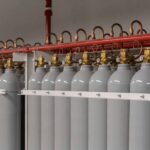
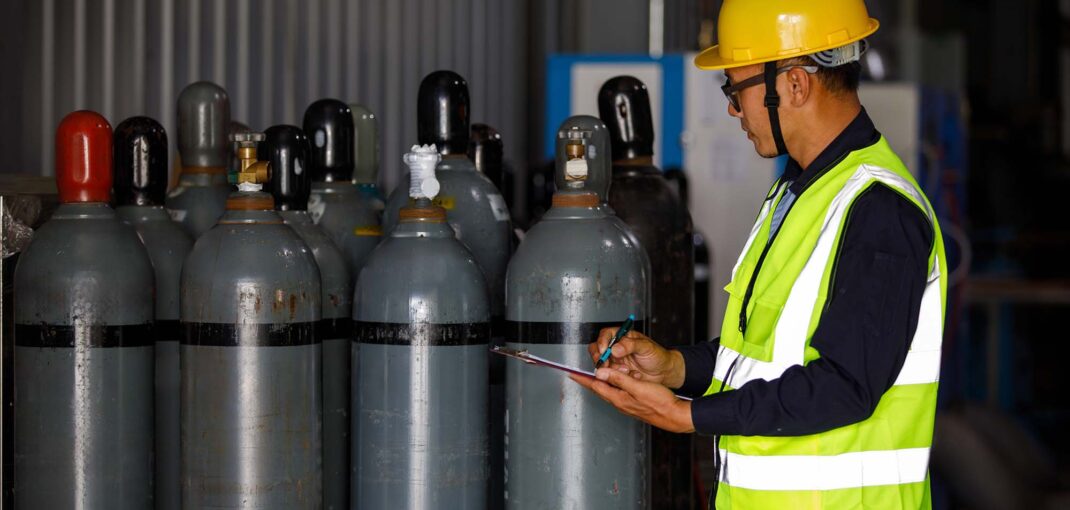
- Always secure gas cylinders upright with chains, straps, or wall brackets. Cylinders must be stored securely in an upright position to prevent tipping.
- Never drag, roll, or slide a cylinder across the floor. Always use a dedicated cylinder cart with a securing strap.
- Keep valve protection caps in place during transport and whenever cylinders are not in use. Valve protection caps should remain on to prevent valve damage-a broken valve can turn a cylinder into a projectile.
- Never attempt to repair or tamper with gas cylinders or their safety devices. If something is wrong, tag it and call your supplier.
- Never use an unlabeled cylinder. Cylinders must be labeled with correct contents to avoid hazards.
- Even “inert” gases kill. Nitrogen and CO₂ are not flammable, but they displace oxygen. In a small keg cooler or cramped tap room, a leak can reduce breathable air to dangerous levels before anyone notices.
- Avoid dropping or hitting cylinders against walls, door frames, or kegs. Impact damage to valves or cylinder walls is hazardous.
- Never lubricate valves or fittings with oil or grease-especially on CO₂ systems where contamination creates explosive risk.
Advise your managers to print this section and post it in the cooler, near the gas cylinder storage area, and anywhere staff handle cylinders.
Know the Gas and Its Hazards
Not all gases pose the same risks. Propane and other flammable gases can ignite near a spark or heat source. Oxygen doesn’t burn on its own, but it can make a fire burn more intensely. Nitrogen and other inert gases can push oxygen out of the air in a poorly ventilated space.
Carbon dioxide in beverage systems needs attention, too. If CO₂ builds up, it can create an exposure hazard even when an oxygen monitor shows a normal reading. And with any compressed gas, a damaged cylinder or valve adds a hazard because of the pressure inside.
Check the cylinder label and safety data sheet before connecting it. Don’t use the cylinder’s color as your guide to what’s inside.
Check Cylinders When They Arrive
Before putting a new cylinder into service, compare its label with your order. Make sure it contains the right gas for the job and, for beverage systems, the specified grade.
Take a look at the cylinder and valve for damage, leaks, or a label that’s missing or hard to read. Check any required inspection or requalification markings, too.
If something doesn’t look right, keep the cylinder secured and set it aside. Contact your supplier, and have any needed testing or requalification handled by a qualified provider.
Handling Gas Cylinders Safely
Most workplace injuries with compressed gas cylinders occur during movement-handling gas cylinders in tight bar cellars, across wet floors, or through narrow doorways. Improper handling can lead to incidents and injuries during transport, from crushed toes to catastrophic valve failures.
Follow these guidelines every time you move a cylinder:
- Always use a dedicated cart for the transport of gas cylinders to avoid mishandling. Secure the cylinder to the cart with a chain or strap.
- Keep the valve cap on and the cylinder upright. Move slowly, especially over thresholds and into coolers, always keeping control of movement.
- Avoid dropping cylinders or letting them slide off carts. The goal is to prevent any impact to the valve or body.
- Cylinders should be secured to prevent tipping during transport-this applies whether you’re rolling a cart across the bar floor or loading cylinders onto a truck.
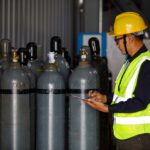
- Only trained staff should move large CO₂, nitrogen, or mixed gas cylinders (50 lbs. or heavier). Staff should avoid carrying cylinders up or down stairs without proper equipment such as a ramp or mechanical lift. When using an elevator, secure the cylinder to the cart and ride with it-never send an unsecured cylinder in an elevator alone.
- Transport gas cylinders in compliance with CDG/ADR regulations. Transporting gas cylinders requires compliance with these regulations, especially for delivery vehicles.
Basic personal protective equipment for handling: closed-toe shoes (steel-toe preferred), gloves with good grip, and eye protection when connecting regulators or venting pressure-compressed gas can eject debris from fittings.
Storage
Secure cylinders so they can’t tip over or get knocked around. Keep each one in the position required for its gas and cylinder type. When a cylinder isn’t connected for use, protect the valve with the required cap or guard.
Choose a storage spot with appropriate ventilation, away from heat, vehicle traffic, and equipment that could strike a cylinder. Store different gases according to their hazards. For example, oxygen and fuel-gas cylinders used for welding may need to be separated under the rules that apply at your worksite. Check those rules instead of assuming the same spacing works everywhere.
Move and Use Cylinders
Give a cylinder a quick inspection before moving it. Close the valve, put the required valve protection in place, and use a suitable cylinder cart. Once it’s where you need it, secure it again before connecting anything. Don’t drag or drop a cylinder or pick it up by the valve.
Use the regulator and connection made for that gas and system. Check the fittings, follow the equipment instructions, and open the valve slowly. Keep oil and grease away from oxygen equipment. If a connection doesn’t fit, stop and check the equipment rather than trying to force it.
Connecting, Operating, and Shutting Down Cylinders
Getting these steps right reduces the risk of leaks, injuries, and equipment damage.
Before Connecting:
- Verify the gas type on the cylinder label. Match the regulator to the gas and cylinder valve-CO₂ regulators, nitrogen regulators, and mixed gas regulators are not interchangeable.
- Inspect threads, O-rings, and the regulator inlet for dirt, damage, or oil. Never use compressed air to blow out fittings, as this can introduce moisture or contaminants.
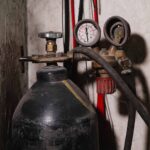
- Proper regulator use is essential for safe gas handling and storage. Use only regulators, hoses, and accessories rated for the specific gas and pressure in your system.
- Cylinder caps should be hand-tightened only-do not use wrenches or tools to apply hand pressure beyond what’s needed for a snug fit.
Valve Operation:
- Open the cylinder valve slowly. Stand to the side of the regulator, not directly in front of it. A sudden pressure surge can damage the system or result in a dangerous failure.
- Never use tools to force a stuck valve. If the valve won’t open, do not attempt a repair-contact your gas supplier.
Shutting Down:
- At the end of the day or whenever the system will be idle, shut the cylinder valve fully. Vent remaining pressure from the regulator and downstream lines.
- Check for any hissing sound, frost, or unusual cold around fittings-any of these may signal a leak.
Signage:
- Use clear signage to indicate gas types and hazards. Post signs reading “Compressed Gas Cylinder Storage,” “CO₂ Hazard,” and emergency contact numbers. Broward Nelson can advise on practical safe storage layouts during installations.
Maintenance, Inspections, and When to Call a Professional
Routine checks and professional service keep your system reliable and your workplace safe.
Daily and weekly staff checks:
- Cylinders should be inspected for damage, rust, dents, or leaks before use. Look at valve threads, caps, and regulator fittings.
- Verify that pressure readings on regulators are stable-no sudden drops or spikes.
- Confirm cylinders remain chained or strapped securely.
Suspect or damaged cylinders:
- Tag them “Do Not Use.” If safe, move them to a secure, ventilated area away from operations.
- Arrange return to the supplier for proper disposal or reconditioning. Never attempt repairs yourself.
Train Your Team and Plan for Leaks
Train staff on protective equipment, safe procedures, and where to find safety data sheets.
If gas is escaping and the leak can’t be controlled safely, leave the area, keep others away, and call emergency services.
Broward Nelson technicians can assess your current gas cylinder storage and handling practices, then recommend upgrades-better securing, improved ventilation, or CO₂ monitoring-tailored to your facility and budget.
Whether you need a routine cylinder exchange, a full system audit, or hands-on staff training focused on gas cylinder safety in your restaurant, bar, or brewery, contact Broward Nelson. Keeping your team safe and your taps flowing is what we do best.
| Factor | On-Site Generation | Nitrogen Tanks |
| Cost | Higher upfront cost, but long-term savings for heavy users | Lower upfront cost, ongoing delivery, and rental costs |
| Convenience | Produces gas on demand when properly maintained | Requires tank swaps and delivery planning |
| Reliability | Strong fit for steady, high-volume use | Practical for lower-volume or seasonal use |
| Maintenance | Calls for filter changes, compressor care, and service checks | Needs cylinder storage, regulator checks, and safe handling |
| Space | Reduces spare cylinder storage, but needs equipment space | Requires room for active and backup tanks |
| Safety | Less cylinder handling, but still requires ventilation | Demands secure storage and trained handling |
Common generator problems usually arise from poor sizing, dirty filters, moisture in the air supply, incorrect pressure settings, or skipped maintenance. Top red flags include low purity readings, pressure swings, unusual compressor noise, or inconsistent pours.
Why Choose Broward Nelson for Nitrogen Systems
Broward Nelson has proudly served South Florida beverage businesses since 1965. We work with bars, restaurants, breweries, coffee shops, stadiums, and hospitality groups that need gas systems to perform day in and day out.
We’re here to help with system design, installation, maintenance, and support. Our team sizes equipment, reviews draft line needs, sets up gas blending, and plans backup supply. If you’re comparing a cylinder to a nitrogen generator, experienced guidance can help prevent an expensive mismatch.
We also understand how nitrogen fits into the full beverage program. A draft system might need nitrogen, CO2, mixed gas, regulators, blenders, and backup cylinders all working together. Meanwhile, a coffee shop might only need a simple setup for nitro cold brew, but it still needs to have consistent pressure and safe storage.
Broward Nelson provides fast service throughout South Florida, plus emergency support when gas supply impacts daily operations. For businesses where cylinders are still the better fit, we also supply nitrogen gas.
Get a Nitrogen Generator for Your Business
A nitrogen generator can be a wise investment for businesses that use nitrogen on a daily basis and want fewer delivery headaches and stronger control over beverage quality. To determine the right system, carefully consider volume, available space, purity needs, pressure requirements, backup planning, and service access.
For breweries, restaurants, bars, and coffee shops, the decision boils down to practicality: are cylinders still enough, or has demand reached the point where on-site generation can save time and reduce risk?
Broward Nelson can evaluate your current setup, estimate gas demand, and recommend the best path forward. Request a quote for solutions tailored to your business.