For commercial operations like restaurants, breweries, and convenience stores, or even swimming pools and indoor cultivation centers, running out of CO2 can interrupt service. Understanding how CO2 tanks are filled helps businesses plan and recognize what goes into a safe, accurate refill. Professional technicians transfer liquid carbon dioxide into approved cylinders, measure the amount by weight, and inspect the finished container before it returns to service.
How Are CO2 Tanks Filled?
So, how are CO2 tanks filled? Professional filling stations move liquid CO2 from a larger supply vessel into a compatible cylinder using specialized equipment. Although procedures vary by facility and cylinder type, the basic process includes inspection, equipment preparation, controlled filling, and final checks. Here is how CO2 tanks are filled in a typical professional setting.
Step 1: Inspect the CO2 Cylinder
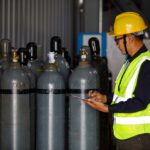
Before filling begins, technicians examine the cylinder for dents, corrosion, damaged valves, or signs of leakage. They check identifying markings and required requalification dates to determine whether the cylinder can safely be refilled. Suspected contamination may require evaluation.
Technicians also verify the tare weight, which is the empty weight of the cylinder, along with the allowable CO2 capacity. A damaged or overdue cylinder may need testing or replacement rather than an immediate refill.
Step 2: Prepare the Filling Equipment
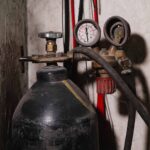
The cylinder is secured and connected to suitable filling equipment. Technicians confirm that valves and fittings match; many standard beverage CO2 cylinders use CGA-320 connections.
Some stations use pumps or automated controls. The equipment varies, but controlled transfer and accurate measurement remain essential. These checks matter in busy commercial service environments.
Step 3: Fill the CO2 Tank by Weight
Liquid CO2 enters the receiving cylinder while a calibrated scale measures the added weight. Technicians use the cylinder’s markings and applicable filling requirements to determine when to stop. Unlike a pressure-only approach, weighing establishes how much carbon dioxide has entered the container.
Overfilling is dangerous because liquid CO2 expands as temperature increases. Following the cylinder’s allowable filling limit leaves the necessary space for changing conditions during storage.
Step 4: Verify the Fill and Check for Leaks
Once filling is complete, technicians confirm the final weight and inspect the valve and connections for leakage. They disconnect the cylinder, protect its valve as required, and prepare it for storage, pickup, or delivery. These checks help ensure that the cylinder is ready for commercial use.
Why Are CO2 Tanks Filled by Weight Instead of Pressure?
Inside a filled cylinder, CO2 exists as liquid with vapor above it. While liquid remains, the pressure reading is influenced primarily by temperature rather than the amount left. A warm cylinder may show a higher pressure than a cooler cylinder.
Weight offers a clearer measurement. For example, a five-pound cylinder holds approximately five pounds of CO2 when properly filled, in addition to its tare weight. It does not weigh five pounds in total. This distinction is central to how to fill CO2 tanks accurately.
What Safety Precautions Are Required When Refilling CO2 Tanks?
CO2 is not flammable, but pressurized cylinders still require careful handling. Escaping liquid can cause severe cold burns, and damaged or overfilled cylinders may create serious hazards. Trained personnel secure cylinders, use suitable protective equipment, and follow established filling procedures.
Ventilation is equally important. Carbon dioxide is colorless and odorless and can accumulate in enclosed or low-lying spaces. Depending on the facility, CO2 detectors and alarms may be necessary. Employees should understand emergency procedures and avoid entering an alarmed area. After filling, cylinders should remain secured and protected from excessive heat, impact, and valve damage.
CO2 Tank Refilling vs. Cylinder Exchange vs. Bulk CO2 Delivery
Businesses can maintain their supply in several ways. With a refill, an eligible cylinder is filled and returned to service. With an exchange, an empty cylinder is replaced with a filled one through a supplier’s program. Both approaches can work for operations using portable cylinders. Businesses should always confirm available arrangements with their supplier.
Higher-volume customers may prefer bulk CO2 systems, which use stationary tanks replenished at the business. The best arrangement depends on consumption, storage space, and delivery requirements. Beverage businesses also need CO2 appropriate for food and beverage applications.
How Can Businesses Maintain a Reliable CO2 Supply?
Tracking consumption helps operators anticipate when refilling CO2 tanks will be necessary. Busy weekends, seasonal demand, and changes in production can all affect usage. Keeping a record of refill dates can also reveal unexpected increases in consumption that may warrant a leak check. Reviewing CO2 tank sizes can help businesses choose capacity that fits their operations.
Scheduled deliveries, backup cylinders, and monitoring for applicable bulk systems can further reduce interruptions. For bars and restaurants, consistent CO2 availability supports draft beer and fountain beverage service. Commercial pools and cultivation facilities also benefit from supply planning.
Frequently Asked Questions About How CO2 Tanks Are Filled
No. Eligibility depends on the cylinder’s condition, identification, required requalification, and compatibility with the intended service. A qualified provider can determine whether further inspection, testing, or replacement is needed.
Learning how to fill CO2 tanks does not make improvised filling safe. High pressure, cold liquid, and strict filling limits require specialized equipment and trained personnel. Commercial businesses should rely on qualified professionals rather than attempting their own refills.
Timing depends on cylinder size, condition, and the filling setup. Broward Nelson describes approximately five-minute walk-in refills for eligible cylinders, subject to inspection and availability.