
Carbonation Process in Beverage Production
Carbonated Beverages and the Carbonation Process

Carbonation is about more than just adding fizz. It’s the process of dissolving carbon dioxide (CO2) into a liquid to create the right taste, mouthfeel, and bubble level while helping beverages stay consistent during packaging and dispensing. You’ll find carbonation in soft drinks, sparkling water, beer, hard seltzer, cider, sparkling wine, and many ready-to-drink products.
The basic science is the same for each beverage, but the temperature, pressure, contact time, and equipment can vary. Fountain drinks need to keep their signature bite after the syrup and water are mixed. Draft beer needs to reach the glass with the carbonation level the brewer intended. Sparkling water needs a clean taste and bubbles that last.
Broward Nelson helps businesses manage these needs as a Florida beverage gas and equipment supplier. The company provides beverage-grade CO2, nitrogen and beer-gas blends, maintenance, and many other services for your carbonation needs.
How Does Carbonation Work? The Basics of Dissolved CO₂

Carbonation is basically what happens when carbon dioxide (CO₂) dissolves into a drink. To make that happen, producers chill the liquid and pump CO₂ into a pressurized container. The colder the drink and the higher the pressure, the more gas it can hold.
A small amount of that CO₂ reacts with water to create carbonic acid. This mild acid gives carbonated drinks their crisp, slightly tangy bite. So, carbonation doesn’t just add bubbles, it also affects the drink’s aroma, acidity, sweetness, and overall texture.
How Carbon Dioxide Dissolves in Water and Other Drinks
Inside a sealed tank or bottle, CO₂ is constantly moving between the liquid and the space above it. Once things balance out, the amount entering and leaving the drink is about the same. But if the drink warms up or the pressure drops, like when you open it, the CO₂ starts escaping. That’s why warm soda tends to foam more, while cold water is easier to carbonate.
Bubbles also need places to form. Tiny scratches, particles, fibers, and rough surfaces give dissolved gas spots to collect. Because surface tension makes it harder for a new bubble to form, things like the drink’s ingredients, the cleanliness of the glass, and the number of these bubble-forming spots can affect bubble size and quantity. Using clean, filtered water and sanitary equipment helps keep carbonation more consistent.
Carbonation Methods: Forced Carbonation and Bottle Fermentation
Forced carbonation is commonly used for sodas, sparkling water, and beer. The drink is chilled in a pressure-rated stainless-steel tank, then CO₂ is added through the top of the tank or a carbonation stone that creates tiny bubbles. The product stays at a set temperature and pressure until it reaches the desired carbonation level. Once it’s ready, it’s transferred to a filler under pressure.
Bottle fermentation takes a different approach by using yeast. Before the bottle is sealed, a measured amount of fermentable sugar and active yeast is added. The yeast consumes the sugar and produces CO₂ and alcohol. Since the bottle is sealed, the CO₂ gets trapped and dissolves into the drink. Traditional sparkling wine then goes through additional steps like aging, riddling, disgorgement, dosage, and final sealing. Bottle-conditioned beer may simply keep some yeast sediment in the bottle.
Forced carbonation can be completed in a matter of hours, while bottle fermentation usually takes several weeks or longer. The slower process can also add more flavor and complexity. Because fermentation increases both alcohol and pressure, producers need to carefully manage the sugar amount, make sure fermentation is complete, and use bottles and closures that can safely handle the pressure.
Workflows for Soft Drinks, Beer, and Carbonated Water

As a general starting point, aim for 3.0–4.0 volumes of CO₂ for most soft drinks, 2.5–3.5 for sparkling water, and 2.3–2.8 for many lagers and ales. Traditional sparkling wine is usually closer to 5–6 volumes.
These numbers can vary by style, so make sure the target works with the recipe, desired taste, filling equipment, closure, and package pressure rating. The Brewers Association also notes that many lagers and ales fall within the 2.3–2.8 range.
Carbonate the product as cold as you safely can, usually around 32–40°F (0–4°C) for water, soft drinks, and many beers. Colder liquid needs less pressure to reach the same carbonation level. Just be careful not to freeze the product and use a temperature-pressure chart made for the specific beverage.
Equipment and Systems for Carbonating and Dispensing Drinks

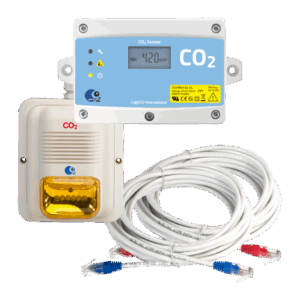
Start with a properly sized primary regulator, then add secondary regulators if you need different pressure levels. Make sure the gauges are easy to read and that every component is rated for CO₂ and the system’s maximum pressure. You’ll also want check valves, pressure-relief devices, compatible hoses, secure cylinder restraints, and fixed CO₂ monitors anywhere leaked gas could build up.
For production setups, sanitary stainless-steel tanks and correctly sized sintered carbonation stones work best. Keep the stones clean and check their wetting pressure regularly—oil, buildup, or the wrong pore size can make carbonation less effective. Before carbonating water, treat it to a consistent standard using whatever combination of sediment or carbon filtration, softening, reverse osmosis, UV treatment, or controlled remineralization fits your setup. Keep an eye on microbiological quality, alkalinity, and hardness too.
Quality Control: Checking CO₂, Bubble Size, and Purity
Measure dissolved CO₂ using a reliable pressure-temperature method, a package-piercing device, or a digital expansion instrument. Keep equipment calibrated, and handle samples carefully so they don’t warm up or lose gas.
Check temperature, pressure, CO₂ levels, and package seals at startup, after any adjustments or changeovers, and regularly throughout each run. Check packages again after they’ve had time to settle.
As a rule, get a CO₂ certificate for every lot or delivery, do a daily sensory check, and check instruments once per shift or batch. Suppliers should also complete full third-party impurity testing during the approval process and at least once a year after that. Test more often if the CO₂ source changes or if any results raise concerns.
Bubble appearance can help spot trends, but it shouldn’t be used on its own to approve or reject a product. For consistent results, use a standard pour, clean matching glassware, and controlled temperature and lighting.
Safety, Regulations, and Best Practices
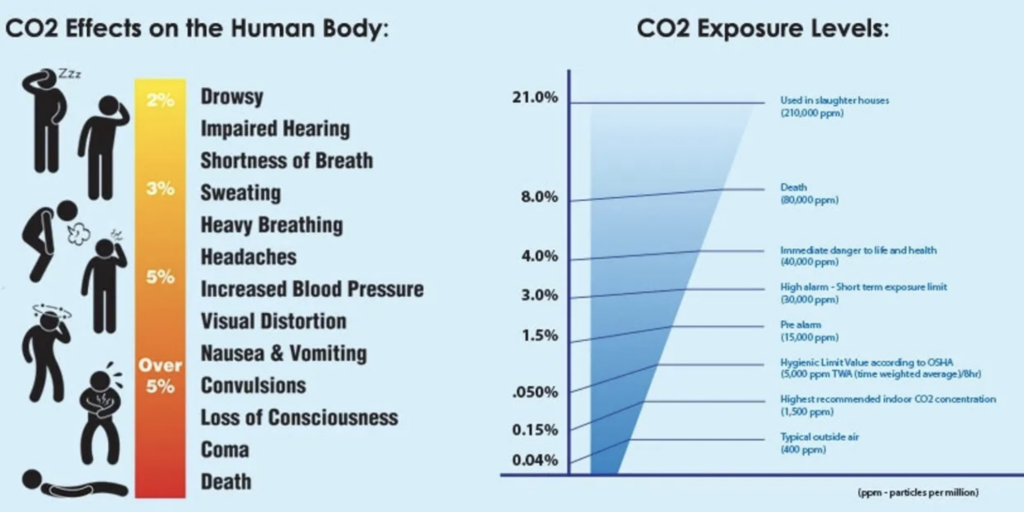
CO₂ is colorless, odorless, and heavier than air, so leaks can build up in coolers, cellars, and other low areas and push out oxygen. Keep cylinders upright and away from heat, protect the valves, use approved carts, and make sure storage areas are well ventilated.
Gas should only be shut off remotely—and only when it’s safe to do so. OSHA’s federal exposure limit is 5,000 ppm over an eight-hour workday, but a safety professional should set alarm levels and confirm any local requirements.
The FDA requires carbonated soft drinks to be produced safely, handled under sanitary conditions, and labeled accurately.
Bottled water may have additional requirements under 21 CFR Parts 129 and 165.110. Since the exact rules depend on the product’s formula and marketing claims, it’s a good idea to have a qualified professional review the label.
Troubleshooting Common Carbonation Problems
If your drink is coming out flat, a few things could be causing it: the product may be too warm, it may not have had enough time to carbonate, the pressure could be too low, the gas supply may be empty, or there could be a clogged stone, leak, or bad seal. Double-check the temperature, vessel pressure, carbonation chart, connections, and package seals.
If you find a leak around the regulator or a seal, shut off the upstream supply if it’s safe to do so. Depressurize that section, replace the faulty part with one that’s properly rated, and test it again. Never use a makeshift fix on pressurized equipment.
Too much foam usually means the product is too warm, the pressure isn’t balanced, the lines are dirty or restricted, the line size or length is wrong, pressure is dropping too quickly, or the glassware isn’t clean. Make sure everything stays cold, adjust the pressure based on the product temperature and desired carbonation, clean the system, and balance the resistance between the keg and faucet. Change one thing at a time so you can tell what truly fixed the problem.
Commercial Considerations: Cost, Service, and Growth
Cylinders are an affordable way to get started, but the costs can add up once you factor in deliveries, storage, labor, and tank changeouts. Minibulk and bulk systems require more consistent usage, but they can lower your cost per pound and reduce interruptions. When comparing options, look beyond the gas price and consider rental fees, delivery minimums, telemetry, maintenance, product loss, emergency service, and downtime.
For restaurants and bars, a solid service agreement should cover preventive maintenance, leak response, equipment support, monitor checks, and reliable delivery. Breweries should also review gas usage, peak production, future tank additions, packaging growth, and backup needs every year. The right supplier can help you scale from cylinders to microbulk or bulk without starting over.
A dependable carbonation program brings together gas quality, sanitation, safety, equipment, packaging control, and responsive local service. Ready to reduce waste, protect flavor, and keep your operation running smoothly? Contact Broward Nelson to find the right beverage gas solution for your business.