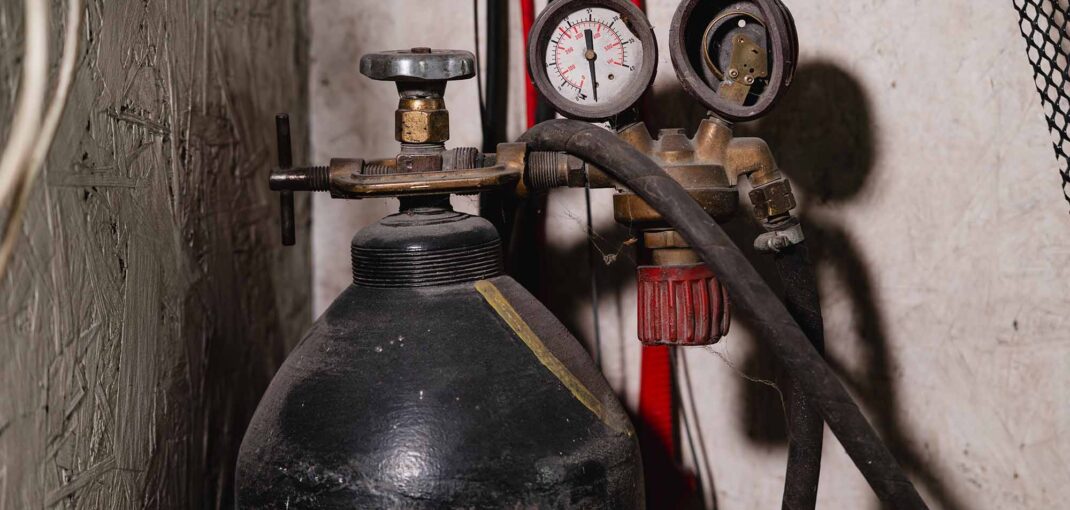
CO2 systems keep draft beer, fountain drinks and other beverages flowing with the right pressure and carbonation. If you run a restaurant, bar or brewery, or service beverage equipment, knowing how to read a CO2 tank pressure gauge can help you maintain consistent service, spot equipment problems and avoid running out of gas unexpectedly.
Just remember that the gauge does not tell you exactly how much CO2 is left. Because the cylinder holds both liquid and gas, tank pressure can stay fairly steady until the supply is almost gone. To manage CO2 accurately, you need to understand what each gauge measures, follow basic safety precautions and weigh the cylinder when you want a reliable estimate.
CO2 Safety Precautions
CO2 is colorless and odorless, so a leak may not be obvious. In a small or poorly ventilated space, it can displace oxygen and create a serious safety hazard.
Always inspect or service CO2 equipment in a well-ventilated area. Wear gloves and eye protection when changing tanks, handling cylinders or working around pressurized connections.
Before checking the regulator, make sure the cylinder is standing upright and secured with an approved chain, strap or rack.
Never use a cylinder, valve or regulator that looks damaged. If you hear ongoing hissing, see heavy frost or suspect a major leak, leave the area and follow your location’s emergency procedures. Once it is safe, contact your gas supplier.
Getting to Know Your CO2 Regulator
The regulator lowers the high pressure inside the cylinder to a controlled level the beverage system can safely use. Most regulators have either one or two gauges.
Single- and Dual-Gauge Regulators
A single-gauge regulator typically shows delivery pressure, though some display tank pressure. Check the label or manual if you’re unsure.
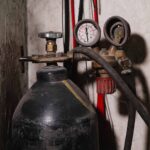
- A dual gauge regulator displays two dials. The high side gauge (usually facing up or to the rear) reads 0-2,000 psi and shows tank pressure. A protective ring or guard surrounds each gauge face.
- Single gauge regulators display only CO₂ pressure readings on the low side; you lose visibility into cylinder contents and need other methods to track fill level.
The high-side gauge confirms that the tank is pressurized and may indicate when it’s nearly empty.
The delivery gauge is more important for daily performance.
High-Side vs. Delivery Pressure
High-side pressure often reads 800 to 900 psi at room temperature when liquid CO2 remains, but it changes with temperature.
Delivery pressure is much lower and depends on the beverage, equipment, and system design. Too little can cause slow pours or poor carbonation, while too much can cause foaming, over carbonation or equipment problems. Always follow the manufacturer’s recommended settings.
How to Read the Gauge Safely
When installing or removing a regulator, close the delivery valve and back off the pressure-adjustment control.
To check your tank:
- Make sure the CO2 cylinder is securely fastened upright with a chain or strap.
- Stand to one side (not directly over the regulator). Open the cylinder valve slowly using the handle and watch the high side gauge.
- A high-pressure gauge shows tank pressure ranging from 500 to 800 psi at room temperature, depending on ambient heat. At 70-75°F, expect 800-900 psi if liquid CO2 is still stored inside.
- On a hot South Florida loading dock in July, the same full cylinder might read 950-1,000 psi. Inside a walk-in cooler at 38°F, it may show only 500-600 psi.
- A rapid drop from 800 psi toward 200-300 psi during normal use means the liquid CO2 is nearly consumed. Schedule a refill before the next busy shift.
Listen for hissing and watch for jumping needles, frost or anything else that looks unusual.
What the Gauge Reading Really Means
A CO2 cylinder contains liquid carbon dioxide with gas sitting above it. As the gas leaves the tank, some of the liquid turns into gas and keeps the pressure relatively steady.
That means the high-side gauge may still show a normal reading even after you have used most of the CO2.
Temperature also affects pressure. A cylinder kept in a cool storage area will usually show a lower reading than one stored in a warm room, even if both contain about the same amount of CO2.
Once all the liquid is gone, only gas remains in the cylinder. At that point, the pressure usually starts dropping more quickly. A sharp decline may mean the tank is almost empty, but pressure alone is not a reliable way to schedule refills.
Managing Your CO2 Supply
Weighing the cylinder is the most reliable way to estimate how much CO2 remains. Find the tare weight stamped on the tank, weigh the cylinder, and subtract the tare weight from the total. For example, an 18-pound cylinder with a 15-pound tare weight contains about three pounds of CO2. Account for the regulator or other attached equipment when necessary.
Low CO2 may cause intermittent flow, unstable pressure, reduced carbonation or a rapidly falling high-side gauge. Frost can also result from heavy use, restricted flow, or equipment problems, so it does not always mean the tank is empty. Keep a full spare cylinder available if uninterrupted service is essential.
Basic Safety Practices
- Always secure cylinders upright with chains or straps before you started working on the valve or regulator.
- Open the cylinder valve slowly. A sudden surge can damage the gauge needle or rupture fittings.
- Never stand directly over the regulator when first opening a newly installed cylinder. Blow dust and debris off connections before making them.
- Wear eye protection. Great care makes the difference between a routine swap and a trip to the ER.
To find a slow leak, pressurize and isolate the system, close the cylinder valve and monitor the gauge for the recommended period. Record any pressure loss and inspect the system again.
Check Your CO2 and Call Broward Nelson
Each day, confirm cylinders are upright and secure; check both gauges and inspect hoses, fittings and connections for leaks, frost or damage. Keep the storage area well ventilated.
Contact your gas supplier if leaks or pressure issues continue. High-volume businesses may benefit from bulk delivery or an automatic changeover system.
Broward Nelson is here for all your CO2 (or any other beverage system) needs. Contact us today to get a free quote, schedule a trip, or just to chat about what your business might require.