CO₂ tanks have a knack for running out at the worst possible moment. One minute, dinner service is rolling along. The next, fountain drinks are falling flat, and staff are explaining why a customer’s favorite draft beverage is off the menu.
A quick supply check can help prevent that scramble, but first, it helps to know what your equipment is telling you. A pressure gauge offers useful information, though it usually can’t tell you how much CO₂ is left. How you check depends on whether your restaurant uses portable cylinders or a bulk beverage tank.
Why Keeping Tabs on Beverage CO₂ Matters
CO₂ puts the fizz in fountain drinks. In draft systems, it also helps maintain carbonation and provides pressure to move beverages from the keg to the tap. Some setups use a specific mix of CO₂ and nitrogen, so the gas supply needs to match what you’re pouring and the equipment you’re using.
When the gas runs out, service can slow down while staff figure out what’s wrong. Drinks may go to waste along the way. Regular checks give managers a chance to arrange a replacement or delivery before the supply runs dry.
It also helps to know the difference between the readings you might see:
- Tank contents: How much CO₂ you have left to use.
- Dispensing pressure: The regulated pressure going to your beverage equipment.
- Ambient CO₂ concentration: How much CO₂ is in the air around the equipment.
A normal dispensing-pressure reading doesn’t mean there’s plenty of gas in the tank. And while an ambient CO₂ monitor checks for gas buildup in the surrounding air, it can’t tell you whether your next refill is overdue.
Identify Your Restaurant’s CO₂ Supply System
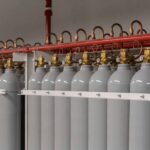
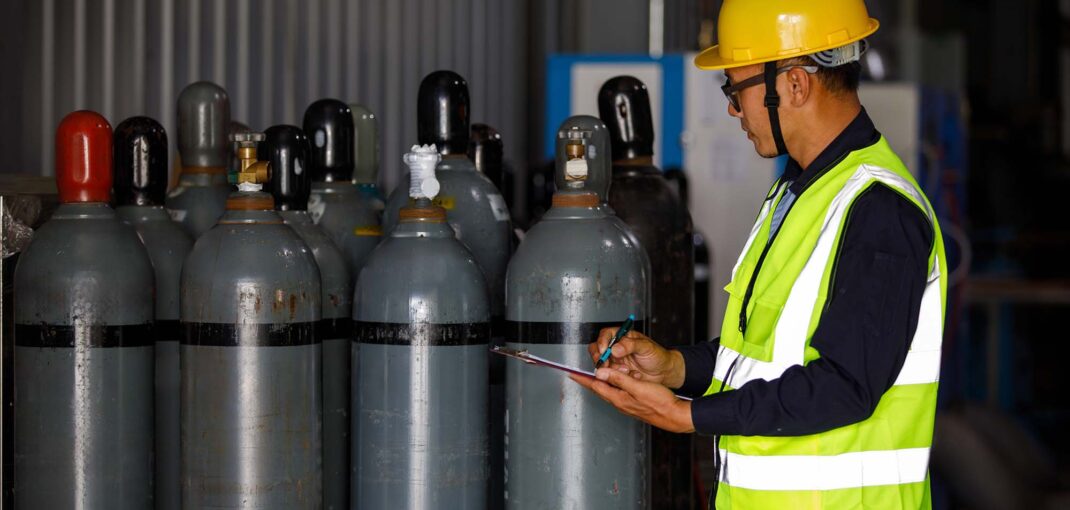
Portable CO₂ cylinders are individual containers you swap out or refill when the supply runs low. Your restaurant might use one at a time or have several connected through a manifold.
Bulk beverage tanks stay at the restaurant, with CO₂ delivered through a designated fill connection. These insulated tanks hold liquid CO₂ and typically have separate gauges for tank pressure and liquid level.
Have your supplier walk you through each gauge and explain what normal readings look like for your setup. Keep the operating instructions handy so managers know which readings to track. A quick walkthrough now can save the opening crew from puzzling over an unfamiliar dial during a rush.
How to Check CO₂ Levels in Portable Cylinders
Weighing the Cylinder
Weighing a portable cylinder is a practical way to estimate how much CO₂ is left. Subtract the empty cylinder’s weight, called its tare weight, from its current weight to find the remaining CO₂.
Look for a tare weight marking, often labeled “TW,” on the cylinder’s shoulder or wherever your supplier tells you to check. Make sure you’re using the same units for both weights and ask your supplier if the marking is hard to read. The cylinder’s rated CO₂ capacity tells you how much gas it can hold, that’s different from what the empty cylinder weighs.
Weighing gets a little trickier when equipment is attached. A regulator adds weight, and connected hoses can tug on the cylinder and throw off the reading. Ask your supplier to approve a weighing method that works with your setup.
Use a stable scale that can handle the full load, and make sure staff follow the supplier’s instructions for handling the cylinder, including any required isolation or disconnection. Never loosen a pressurized connection or leave a cylinder unsecured just to check its weight. A supplier-approved weighing platform could make regular checks easier.
Once you know how much CO₂ is left, compare it with your restaurant’s usage records. Seven pounds might last several shifts at one restaurant but run out much faster at another.
Understanding Pressure Gauges
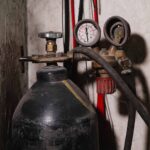
On a typical two-gauge regulator, the high-pressure gauge shows pressure inside the cylinder, while the low-pressure gauge shows the regulated pressure going out to your beverage system. Check which is which on your equipment instead of going by where the gauges sit.
A colder cylinder can show lower pressure even when it hasn’t lost any CO₂. Once the liquid CO₂ runs out, pressure drops as the remaining gas gets used. By the time you see a steady decline, your supply may already be running low.
Use weight to check how much CO₂ is left and the appropriate gauge to check pressure. Follow your beverage system’s specifications for dispensing settings. Turning up the regulator won’t put more CO₂ in the cylinder.
Tools for Monitoring Beverage CO₂
For portable cylinders, you’ll need a scale rated for the total weight and a confirmed empty cylinder weight, also called tare weight. Bulk tanks use compatible liquid-level indicators or electronic monitoring approved by your supplier.
Low-supply alerts can help you stay ahead of ordering, especially when several managers share the job. Just make sure someone owns the follow-up. An alert won’t get a delivery scheduled if everyone assumes someone else took care of it.
Ambient CO₂ detectors serve a different purpose: checking the air for CO₂ buildup. They need proper placement and regular maintenance to do their job. Tank monitoring can flag unusual usage that might suggest a leak, but it cannot replace ambient CO₂ detection.
Check Your CO2 Regularly
Broward Nelson helps hospitality businesses keep up with their beverage CO₂ supply. With telemetry options that track tank levels remotely and send alerts, planning the next delivery is a little easier. Contact Broward Nelson to review your beverage CO₂ system and discuss a monitoring and refill plan suited to your restaurant.
Confirm which monitoring options fit the installation and who will respond to supply alerts. Ask about installation responsibilities, preventive maintenance, and service availability for your location, including how to request help when things go haywire.
Making regular checks of your CO2 levels and keeping up with the changes will help your business succeed long into the future and keep your customers coming back.