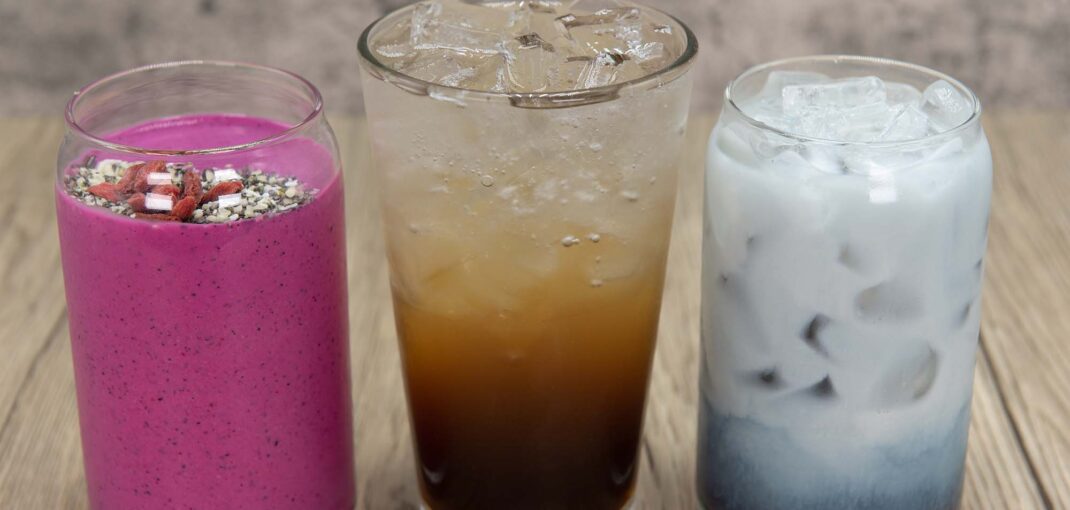
When someone orders a fountain drink or draft beer, they expect it to taste the way it should from the first sip to the last. CO2 plays an important part in delivering that experience, helping beverages maintain the carbonation and characteristics customers associate with their favorite drinks.
For restaurants, bars, breweries, convenience stores, stadiums, and other beverage businesses, CO2 offers benefits across the operation. It supports beverage quality, makes on-demand dispensing possible, helps businesses serve drinks efficiently, and can reduce unnecessary product loss.
Understanding the benefits of CO2 can help operators make better decisions about their beverage needs. From creating carbonation to supporting fountain and draft systems, carbon dioxide contributes to both the product customers receive and the operation behind it.
CO2 Helps Create the Beverage Experience Customers Expect
One of the biggest benefits of CO2 is its effect on the beverage itself. Carbonation does more than create bubbles. It influences mouthfeel, aroma, and the way a drink tastes as it is consumed.
When carbon dioxide dissolves into a liquid under pressure, it creates the carbonation associated with soda, sparkling water, beer, and other drinks. When the pressure is released, some of that dissolved gas escapes and forms bubbles.
Different beverages are produced with different levels of carbonation. A fountain soda needs the familiar fizz and bite customers expect, while a beer should retain the carbonation level intended for its specific style.
Temperature has a direct relationship with this process. Colder liquids retain dissolved CO2 more effectively. As beverage temperature rises, CO2 is more likely to come out of solution, changing the way the drink tastes and feels.
Pressure also affects how much CO2 remains dissolved. Maintaining suitable conditions helps businesses serve beverages that stay closer to their intended characteristics from one order to the next.
Because CO2 comes into contact with products intended for consumption, beverage applications call for beverage-grade gas. Its quality and purity are part of protecting the taste and integrity of the finished drink.
CO2 Makes Fountain and Draft Beverage Service Possible
CO2 also provides practical benefits behind the bar or beverage counter. Its function differs between fountain drinks and draft beer, but in both applications it supports the process that gets a finished drink into the customer’s glass.
For fountain soft drinks, water enters a carbonator and absorbs CO2 under pressure. That carbonated water is then combined with flavored syrup as the drink is dispensed. This allows restaurants and other businesses to produce carbonated beverages as customers order them.
Draft beer uses CO2 differently. Beer arrives with carbonation already dissolved in it, and gas pressure can help move it from the keg through the beverage line to the faucet. Beer style, temperature, line length, elevation, and system design can influence the pressure required for a particular draft system. These variables are why pressure needs to fit the application instead of simply being increased when a pouring problem occurs.
In both applications, CO2 supports a convenient way to serve beverages on demand. Fountain systems can produce individual drinks as they are ordered, while draft systems allow beer to be served directly from the keg. For businesses handling a steady stream of orders, those capabilities make CO2 an important part of everyday beverage service.
CO2 Can Support Better Beverage Consistency
Consistency is valuable for any business serving the same drinks throughout the day. Customers may not know what is happening inside a fountain or draft system, but they can notice when the beverage in front of them differs from what they expected.
Managing CO2 appropriately helps businesses maintain more predictable results. When carbonation conditions remain suitable for the beverage, there is less variation caused by the gas itself. This becomes more valuable as beverage volume increases. A busy operation may serve hundreds of the same drinks during a shift, making consistency important across different orders, employees, and service periods.
Customers also bring established expectations to familiar beverages. Someone ordering a favorite soft drink already knows how it should taste and feel. The same applies to a familiar draft beer. Supporting the intended carbonation helps businesses provide that recognizable experience.
Ingredients, temperature, storage, and the condition of the dispensing system also influence the finished product. Proper CO2 management gives operators control over one important part of that equation.
Choosing a CO2 Supply That Fits Your Operation
The appropriate CO2 supply can vary considerably based on beverage volume, operating schedule, available storage, and changes in customer demand. Looking at a few practical factors can help businesses determine what fits their operation.
Look at actual consumption
Past usage provides a useful starting point. Businesses can track how quickly they use CO2 during a typical week and identify patterns in consumption. A neighborhood restaurant may have fairly predictable demand, while a sports bar, brewery, stadium, or event venue may experience larger fluctuations. Actual usage provides a practical baseline for planning supply.
Prepare for peak demand
Average consumption does not always represent the busiest days. Weekends, holidays, sporting events, private functions, and seasonal traffic can cause beverage sales to rise significantly. Accounting for predictable peaks gives businesses more room to handle heavier demand without reaching the limit of their available CO2 when beverage sales are highest.
Account for available storage
Businesses also need to balance consumption with the space available for appropriate CO2 storage. The amount kept on-site needs to fit both operational requirements and the physical limitations of the facility. Storage planning can become more important as beverage volume grows. What worked for a smaller operation may become less practical as sales increase.
Reevaluate supply as the business grows
Adding beverage stations, expanding seating, extending hours, or increasing draft offerings can change CO2 consumption. Usage records can help operators recognize these shifts. If CO2 needs are consistently higher than they used to be, reviewing the current supply can help the business prepare for its new level of demand.
CO2 Can Help Reduce Beverage Waste and Improve Efficiency
The financial benefits of CO2 become easier to see when looking at product waste and day-to-day service. Draft beer provides a familiar example. Excessive foam may leave bartenders waiting for a pour to settle, topping off glasses repeatedly, or discarding beer that cannot be served. Small losses can become significant when multiplied across a busy week.
Fountain beverages can create waste in a different way. If a drink does not have the expected carbonation, an employee may need to remake it. The beverage ingredients, cup, lid, ice, and employee time associated with the first drink have already been used.
Proper CO2 management can also support a smoother workflow. During a lunch rush, dinner service, or crowded event, employees benefit from being able to prepare beverages without stopping to address CO2-related problems.
Tracking consumption offers another advantage. If CO2 usage suddenly rises while beverage sales remain stable, the change may indicate a leak or another issue that deserves attention. Catching unusual usage can help prevent additional gas loss.
CO2 cannot eliminate every source of beverage waste, but managing it properly can help businesses get more value from the products they purchase while keeping service moving efficiently.
Safe CO2 Use Helps Protect Employees and Operations
CO2 may be a familiar part of beverage service, but working with it still calls for careful handling. Because carbon dioxide is colorless and odorless, employees may not immediately notice when gas is escaping. In an enclosed space, a significant release can allow concentrations to rise and create unsafe conditions.
Building a few basic precautions into everyday operations can help reduce that risk:
- Store and handle CO2 properly. Follow applicable safety protocols and guidance for the specific containers and system in use.
- Prepare employees to respond. Anyone working around the supply should know what to do if they suspect a leak or an alarm is activated.
- Check components regularly. Connections, hoses, regulators, and related components should be inspected for signs of damage or leakage.
- Pay attention to unusual consumption. If gas use suddenly increases without a similar rise in beverage sales, it may signal a problem that needs investigation.
- Use appropriate ventilation and monitoring. Depending on the facility and its setup, these safeguards can help identify and reduce risks associated with escaping gas.
Get More from Your Beverage CO2 Supply with Broward Nelson
From creating the carbonation customers expect to supporting efficient beverage service, CO2 provides practical benefits every day in the beverage industry. However, getting the most from it starts with having a supply suited to the amount of beverages your business serves.
At Broward Nelson, we have served Florida businesses since 1969. Our family-owned company provides CO2 services for beverage operations with a range of consumption levels and supply needs. If you need a dependable source of beverage CO2 or your current supply is no longer keeping pace with your needs, contact us today. Our team is happy to help you find a CO2 solution suited to your operation and keep your business supplied.
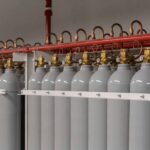
A gas switchover system connects a primary gas source with a reserve source. When the primary source runs out, the system switches to the reserve to keep gas flowing to the connected beverage equipment.
An automatic system changes to the reserve gas source when pressure in the active source drops. This reduces the need for someone to make the change manually when the first cylinder is depleted.
In an automatic setup, the reserve source can take over while the depleted cylinder is identified and replaced. In a manual setup, an employee needs to switch the supply to the reserve cylinder.
The right system depends on gas type, beverage equipment, usage, available space, and how the location manages refills and service. Broward Nelson can review the operation and discuss a beverage gas setup that fits the business.
Keep Your Beverage Gas Supply Moving
A gas switchover system can give a beverage operation a practical backup when a cylinder is depleted. For help choosing, installing, or servicing a system in Florida, contact Broward Nelson to discuss your beverage gas needs.