Nitrogen generators produce nitrogen gas on-site by separating nitrogen from compressed air. For beverage and foodservice businesses, that translates to fewer tank changeouts, steadier supply, and better control over draft beer, nitro cold brew, and food preservation programs.
Why is it so widely used? It’s colorless, odorless, and mostly inert under normal conditions, helping create the creamy texture in nitro beverages and limiting oxygen exposure in certain packaged foods.
In this guide, we explain what a nitrogen generator does, how the tech behind it works, and when a nitrogen generator makes sense for your business.
What Does a Nitrogen Generator Do?
Nitrogen generators turn compressed air into usable nitrogen supply. As air already contains nitrogen, the system’s job is to separate it from oxygen, moisture, and other gases.
For bars, restaurants, breweries, and coffee shops, nitrogen generators support daily beverage service. It can feed a draft beer system, a nitro cold brew setup, or a gas blender that mixes nitrogen with CO2 for specific beer styles and line lengths.
Common use cases:
- Nitro beer, stouts, and porters
- Nitro cold brew coffee
- Kegged cocktails and specialty drinks
- Food packaging and product preservation
- Light industrial and laboratory uses
This differs from liquid nitrogen, which is a cryogenic material used in freezing, medical storage, and certain lab applications. Liquid nitrogen is extremely cold, requiring specialized handling. Beverage systems use nitrogen gas, which needs proper ventilation, pressure control, and equipment setup.
How Nitrogen Generators Work
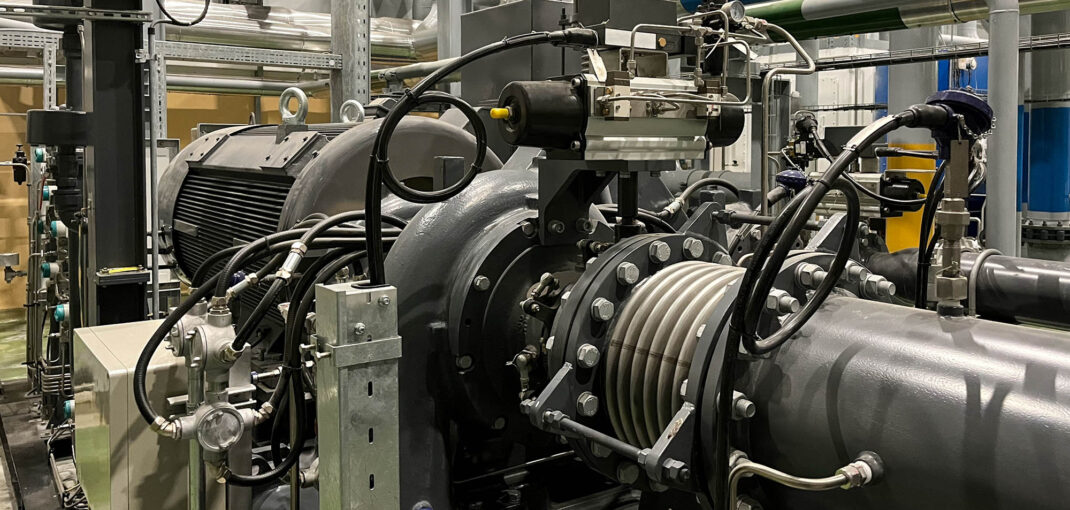
Most systems start with an air compressor. The compressed air passes through filters that eliminate moisture, oil, and particles. Then, the system separates nitrogen from oxygen with one of two common approaches: membrane separation or pressure swing adsorption, often called PSA.
A membrane nitrogen generator uses hollow fibers that allow oxygen and water vapor to pass through faster than nitrogen, which continues through the line at a higher concentration. Membrane systems are often compact, making them practical for beverage programs where moderate purity is suitable.
PSA nitrogen generators use carbon molecular sieve material to trap oxygen while nitrogen passes through. PSA systems usually use two vessels that cycle back and forth, allowing one vessel to separate gases while the other vessel regenerates. PSA systems can reach higher purity levels, which makes them ideal for more intense applications.
As opposed to delivered tanks, on-site nitrogen generation gives businesses a continuous supply when the system is sized and maintained properly.
Benefits of a Nitrogen Generator for Businesses
Of all the benefits of a nitrogen generator, control is the biggest one. Nitrogen generators lessen dependence on cylinder deliveries, spare tank inventory, and last-minute service calls. For high-volume businesses, that makes daily operations much smoother.
In a draft system, stable pressure protects pour quality. If a tank runs empty or pressure drops during a rush period, staff will have to contend with foam, flat pours, waste and slower service. Properly designed nitrogen systems promote a steadier pour.
Cost is a factor that can’t be overlooked. Tanks might cost less at the start, but over time, high-volume users can reduce recurring delivery charges, cylinder rental fees, and labor tied to handling tanks. However, the return is dependent on gas volume, equipment cost, compressor needs, service requirements, and backup planning.
Other practical benefits:
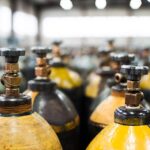
- Fewer heavy cylinder changeouts
- Predictable gas availability
- Consistent pressure for nitro beverages
- Limited interruptions during peak service
Safety improves when staff have fewer cylinders to handle; even still, nitrogen can displace oxygen in poorly ventilated spaces, so ventilation, leak checks, regulator setup, and staff training are all important.
Industries That Use Nitrogen Generators
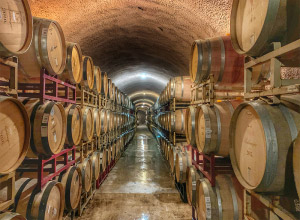
Breweries use nitrogen in stouts, porters, nitro ales, and long-draw draft systems. Since nitrogen is less soluble than CO2, it creates smaller bubbles, a thicker head, and a smoother texture.
Bars and restaurants use nitrogen in draft systems, kegged cocktails, and wine dispensing. These businesses often need a broader setup of beverage gases that includes CO2, nitrogen, and mixed gas.
Coffee shops count on nitrogen to serve nitro cold brew with a creamy body and cascading finish. Lower-volume cafés might be able to use cylinders, but busier shops should consider on-site generation.
Food packaging operations trust nitrogen gas to reduce oxygen exposure inside certain packages. This can protect flavor, texture, and shelf life when paired with the proper packaging materials and temperature control.
Nitrogen also appears across labs, medical settings, electronics manufacturing, and chemical processing. These applications typically require tighter purity, pressure, and documentation standards, so system selection should be reviewed carefully.
Nitrogen Generator vs Nitrogen Tanks
Both options can work, but the right choice comes down to volume, budget, storage space, safety planning, and how costly an interruption would be.
| Factor | On-Site Generation | Nitrogen Tanks |
| Cost | Higher upfront cost, but long-term savings for heavy users | Lower upfront cost, ongoing delivery, and rental costs |
| Convenience | Produces gas on demand when properly maintained | Requires tank swaps and delivery planning |
| Reliability | Strong fit for steady, high-volume use | Practical for lower-volume or seasonal use |
| Maintenance | Calls for filter changes, compressor care, and service checks | Needs cylinder storage, regulator checks, and safe handling |
| Space | Reduces spare cylinder storage, but needs equipment space | Requires room for active and backup tanks |
| Safety | Less cylinder handling, but still requires ventilation | Demands secure storage and trained handling |
Common generator problems usually arise from poor sizing, dirty filters, moisture in the air supply, incorrect pressure settings, or skipped maintenance. Top red flags include low purity readings, pressure swings, unusual compressor noise, or inconsistent pours.
Why Choose Broward Nelson for Nitrogen Systems
Broward Nelson has proudly served South Florida beverage businesses since 1965. We work with bars, restaurants, breweries, coffee shops, stadiums, and hospitality groups that need gas systems to perform day in and day out.
We’re here to help with system design, installation, maintenance, and support. Our team sizes equipment, reviews draft line needs, sets up gas blending, and plans backup supply. If you’re comparing a cylinder to a nitrogen generator, experienced guidance can help prevent an expensive mismatch.
We also understand how nitrogen fits into the full beverage program. A draft system might need nitrogen, CO2, mixed gas, regulators, blenders, and backup cylinders all working together. Meanwhile, a coffee shop might only need a simple setup for nitro cold brew, but it still needs to have consistent pressure and safe storage.
Broward Nelson provides fast service throughout South Florida, plus emergency support when gas supply impacts daily operations. For businesses where cylinders are still the better fit, we also supply nitrogen gas.
Get a Nitrogen Generator for Your Business
A nitrogen generator can be a wise investment for businesses that use nitrogen on a daily basis and want fewer delivery headaches and stronger control over beverage quality. To determine the right system, carefully consider volume, available space, purity needs, pressure requirements, backup planning, and service access.
For breweries, restaurants, bars, and coffee shops, the decision boils down to practicality: are cylinders still enough, or has demand reached the point where on-site generation can save time and reduce risk?
Broward Nelson can evaluate your current setup, estimate gas demand, and recommend the best path forward. Request a quote for solutions tailored to your business.